Wednesday, March 21, 2012

ドラマ

今まで、
とても好きな
ドラマは 二つがあります。

まずは(first), これです。

うぬぼれ刑事(けいじ)2010年
(Narcissistic Detective )

うぬぼれさんは、けいじですが、ダンスが大好きです。はんにん(criminal) はだれ、分かる時、ダンスをします。たのしかったです。

そして、一番好きな、たくさんなみだがふったドラマは、これです:

「拝啓、父上様」(はいけい、ちちうえさま)2007年
(Dear Father)

ざんねんだけど、youtubeで、シインは これ だけ。

ドラマのうたは、森山良子(もりやま りょうこ)の 「手」(て)です。
うたも、ドラマも とても、きれいです。

見てください。


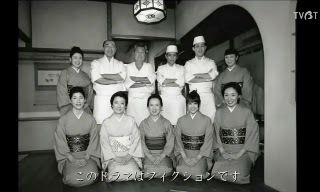
このドラマのぶたい(stage)は、東京の神楽坂(かぐらざか)の
すぐ(soon) なくなる(disappear)、れきしがある 和食のレストランです。

ドラマからの写真
かぐらざかは、たくさん ゆうめいじんが 好きな、
きれいそうなところです。東京の新宿のところです。


ドラマからの写真
ドラマからの写真

ドラマのストリは、とてもいいとおもいます。
ことばがない。

皆さん、

何か いい ドラマが していますか?
書いてくださいね。

ちなみに(by the way)、私は、何年まえに、
はじめて みる 
日本のドラマは、これですよ。


「IWGP」
(いけぶくろwest gate park 2000年)

です。

その時 から、日本のドラマが
大好きになりました。

日本語まだぜんぜんわかりませんでしたので、
ずっと サブタイトルで 見ました。

ポっプス

鬼束ちひろ(Onitsuka Chihiro)、

大好きです!

きれいで、うたうのが上手です。

たとえば、これ、「なごり雪」聞いて 下さい。


皆さん、していますか?

鬼束さんは中国に、とてもゆうめいです。

高校の時 ずっと 聞きました。
CDがなかったから、
ラジロで聞きました、そして、
レコドをしました。

いま、とてもべんり(convenient)になりました けど、
鬼束さんは あまりたくさん さくひん(work)を 作りません。

でも、いつも 大好きです!

Wednesday, March 14, 2012

えいが について

最近、
一年間 
やく(about)  15つ えいが を 見ました。


15つ の中に
14つ は 
ひこうき(plane) で みました。
もう 一つ は 
ともだちのだれ と 
えいがかんで みました。


私のうちは 中国に あるから
ひこうきで 14時間かかります。
Round tripは 28時間かかるので、
一つ えいが は 2時間ぐらいだったら、
14つえいがの時間が あります。

でも、ひこうきで 何を 見ましたか、
ぜんぜん おぼえていません。


ただ(only) 一つ
まだ(still) おぼえています。見た時
たくさん かんじょう(emotions) が 
あったので、わすりませんでした (did not forget)。
えいが の なまえは
The Reader (2008) です。
ゆうめいな えいがですが、
ないよう(contents)は ちょっと 
びんかん(sensitive)で、
そうぎ(disputes)が あって、
ここで、trailerのlinkは しません。
でも、たぶん 皆さんも みました、
かもしれません。

どうして このえいが 好きですか。
テマは ひみつ(secret) ですから。


じっさいには(actually) 
私も たくさん よわいことについての
ひみつがあります。
だから ときどき えいがの中の 
Hannaさん と おなじで、
じぶん(myself) の ひみつ の こと が
はずかしい(embarrassing) と おもいます。

まだ おぼえています。
小さい時、
およぐのが 大好きだった。
でも すぐ 目が わるくなりました。
プルで ともだち の みんな
あまり みませんでしたから、
どんどん どんどん(more and more rapidly)
およぐに いきませんでした。


さいしょは(at first) だれも しりませんでした。
私の はずかしい ひみつ でした。
およぐに いっしょに いかなっかたので、
みんなは 私が 冷たい人 と おもていました。

とても たいへんでした。


もう 26さい だけど、
今も はずかしい ひみつ が あります。
たとえば ずっと大学でべんきょうしましたが、
あたまが よくないです。
コンピュタを つかう(use a computer) のが
よわい し(and)、
うたうのが、ぜんぜん むり(impossible) です。

でも、一番 はずかしいことは,
これですよ。

きかいこうがく(mechanical engineering)
もう 8年間
べんきょうしましたけど、
driver's licenseは もっていません。テストが
しっぱい(fail) でしたから。


みんなさん、ひみつ ありますか?


Tuesday, March 13, 2012

いそがしいんですが、日本語を べんきょうしたいんです。

みんなさん、こんばんは!
いそがしいんですか?
今週のテスト、がんばってね!
今日は、なにを かきましょか。。。
じゃあ、
私の がくじゅつ ( academic ) の 
きょうみ ( interest ) を 
ちょっと かきたいんですけど、
いいんですか。

私は 大学いんの 四年生です。
せんこう は きかいこうがくの 
いどう ( motion )のどうりょくがく(dynamics)と 
せいぎょう ( control ) です。
ぐん( group) の いどう ( motion ) の 
せいぎょう にきょうみ(interest) があります。
たとえば さかなのぐん(fish schools) や、
とりのぐん(bird flocks) や、
そして、ひとのぐん(human crowds) の 
いどう と いしけってい( decision making)が 
べんきょうします。
そして、ロボとのぐんの いどう と 
いしけってい に したいんです。

四年間に、
すうりモデル(mathematical model)について 
けんきゅう (research)をしていますけど、
ずっと このトピクが 
とてもむずかしいとおもいます。
よく プログラミング (しミュレショオン)と 
すうりしょうめい(mathematical proofs)をします。
でもまだ上手じゃないんです。ざんねんです。

今まで、べんきょうした もの の中に、
日本人のなまえがあるもの が 三つ あります。
三つは 蔵本モデル (Kuramoto model) と
伊藤積分 (Ito Integral) と 
AIC(Akaike Information Criterion) です。
三つは  えいご の せかい(world)の中にも、
いるいるな せんこうの中にも とても 
ゆうめいながいねん(ideas/concepts/theory)です。
(みんなさん、きょうみ あったら、
ぜひ wikipedia てください!)

三人の中に、くらもと先生 と いとう先生 
二人は きょうと大学の 
きょうじゅ(professor) ですが、
あかいけ先生は 東京大学のきょうじゅです。
だから、日本の けんきゅう  と 
きょういく(education)がつよいとおもいます。 

いつか 日本で べんきょう したいんです! 
そして、日本語が分かったら、
コミュニケションは だいじょうぶ になる 
かな。。。
日本語のべんきょう、がんばります! 

みんなさん、あなたのせんこうの中には, 
しゅみの中には、
日本人のなまえが あるもの が ありますか?
たとえば、
なになに (so-and-so)りろん(theory)や、
なになに げんしょう(phenomenon)や、
なになに ほうほう (method) が ありますか? 
ゆうめいですか? かいてくださいね!


おもしろくて、かっこいいビデオをシェアしたいんです。
見てください:(Especially the last two minutes, you will see a
band of little flying robots playing music in coordination)


Thursday, March 8, 2012

よく読むブログ

皆さん、よくブログを読みますか?

私は あまり じゅぎょういがい(other than)の
ブログを読みません。

でも、さいきん、
おもしろいブログをはっけん(found):

ぱんださんのブログ

ブログのauthorは、
仙台にすんでいるかもしれません。
去年の三月、仙台のちかくに、
とても大変で、怖かった 
じしん(earthquake) とつなみがありました。
すぐに(soon)、一年です。

このブログは かわいくて、
たくさん じょうほう(information)があります。
日本の生活が 
きょうみ(interest)が 多いので、
この ぱんださんのブログ が大好きです。

ブログでは、写真をみるのが
大丈夫ですけど、
日本語の テキスト は 
とても むずかしいです。
ぱんださんは どんな方ですか、
まだ 分かりません。
でも、たぶん、めん(noodles) が好きな
男の方 かな。


も一つブログ、if you can read 中国語,
これです:

木木: 木有书读 搜狐博客

これは中国人書く 中国語のブログです。
このauthorは、シャンハイに すんでいる 
あたまがいい女の方です。
ブログでは、かお のしゃしんが 
ぜんぜん ありません。 
でも きれいで、わかい と おもいます。

このauthorの木木(ムム)さんは
ぶんか(culture)の インダストリ に
つとめている かな、
ブログのテマは よく ぶんか と 
本 と 
れきし です。
ときどき ゆうめいじん の 
ゴシプ を 書きます。

カタカナプロジェクト: 私の初回告白


丸い顔
キミ会う時
なすになる

願い事
嵐のような
恋がきた

「キミが スキ!」
笑顔で 速く
「イヤダ ナス!」

丸茄子の
ピカピカの肌
しわが浮く   


Monday, March 5, 2012

Katakana Analysis Final

I found three categories of katakana that I can focus on to start my analysis.

The first kind of katakana word that i find interesting is  グリーン . I saw this word on a packaging that is made of paper. I think it is written in katakana instead of kanji or hiragana because the word and concept (of environmentally friendly) is loan. Maybe the translator thinks that everybody knows or should know what green means so it is not necessary to translate it to the Japanese words  for "environmentally friendly" or "midori"(in which case it makes a wrong emphasis). By using katakana, the usage of the word "green" can therefore be "promoted" to people who do not know what "green" means.  A second reason could be that for the purpose of saving cost in production, packagings use katakana instead of other words. Using english directly would be not be appropriate here, because for industrial standards, they may need to use official language.  Similarly, another word in this category is  ウィキペディア . It is a well-known word in other parts of the world, so to use a translated name does not help with the promotion of this website. In general i think, often when katakana  are used for loan words, such as for brand names, technology words and news topics,  they are used for continuing the spread of a certain concept that is popular elsewhere, so that those who don't know yet can keep in sync with the world. More examples are マクドナルド, or スマートフォン. 

The second type of word I am going to discuss is ラーメン, like many words for food items, this word is a loan word, but it has a kanji version as well. Often we see it written in katakana  instead of kanji. I think there maybe several reasons behind it. First it is faster to write katakana, and easier to remember. Besides that, perhaps it is also more suitable to be written in katakana than kanji, because of the affordable price of ramen itself. Maybe some ramen shops would like to use kanji to gain attention. But I guess initially people used katakana for the word ramen because ramen was a "simple" food, so it didn't look like it would suit a complicated kanji name (again for promotional/marketing purposes I guess).

The third category of katakana is of words such as,カワイイ, that can be found in manga or television programs, and were originally in hiragana form. Let's take カワイイ as an example. In this case, I think katakana is used to emphasize the cuteness, or to emphasize that the speaker (who said this word that is written on shown) is not using his/her brain right now, which can indicate cuteness or a state of being stunned by something extremely cute. Or it is simply used to make an emphasis, making people notice it more. Likewise, this word : フレンチガール uses katakana to emphasize (some stereotypical feature in this case). This word was found on a women's fashion magazine cover. I think in this case, in katakana form, the word kinda implies that this ガール is pretty, cute, stylish, thin ..etc. If instead it was written in the normal way (in combination of katakana, hiragana and kanji), it would still mean a young female from france, but it would sound plain and sluggish.

I think the textbooks generally explained katakana in similar but not very detailed manners. I also heard that katakana is the least commonly used form of syllables in the language (rumor?). So I guess some people may think it has an outdated or less important place in the language. But it looks like that this is changing. The usage of katakana has been evolving with time. Katakana usage can sort of reflect how Japanese culture regarded new concepts and renewed old images. Maybe whenever a usage of katakana can serve a desired purpose,it will be kept, otherwise it will be abandoned. Following this logic, we are in an experimental stage now. Some day in the future when we look back, katakana may even become a logo of this era, a time when people prefer to use katakana to express everything. But we never know how far this katakana trend will go before people find it boring again and start exploring new forms. It amazing to me that the Japanese language can be this flexible and renewable. And I guess, therefore, it is a difficult topic to include in any textbook, because there is no definite way of talking about when and how to use katakana in Japan right now.